No products in the cart.
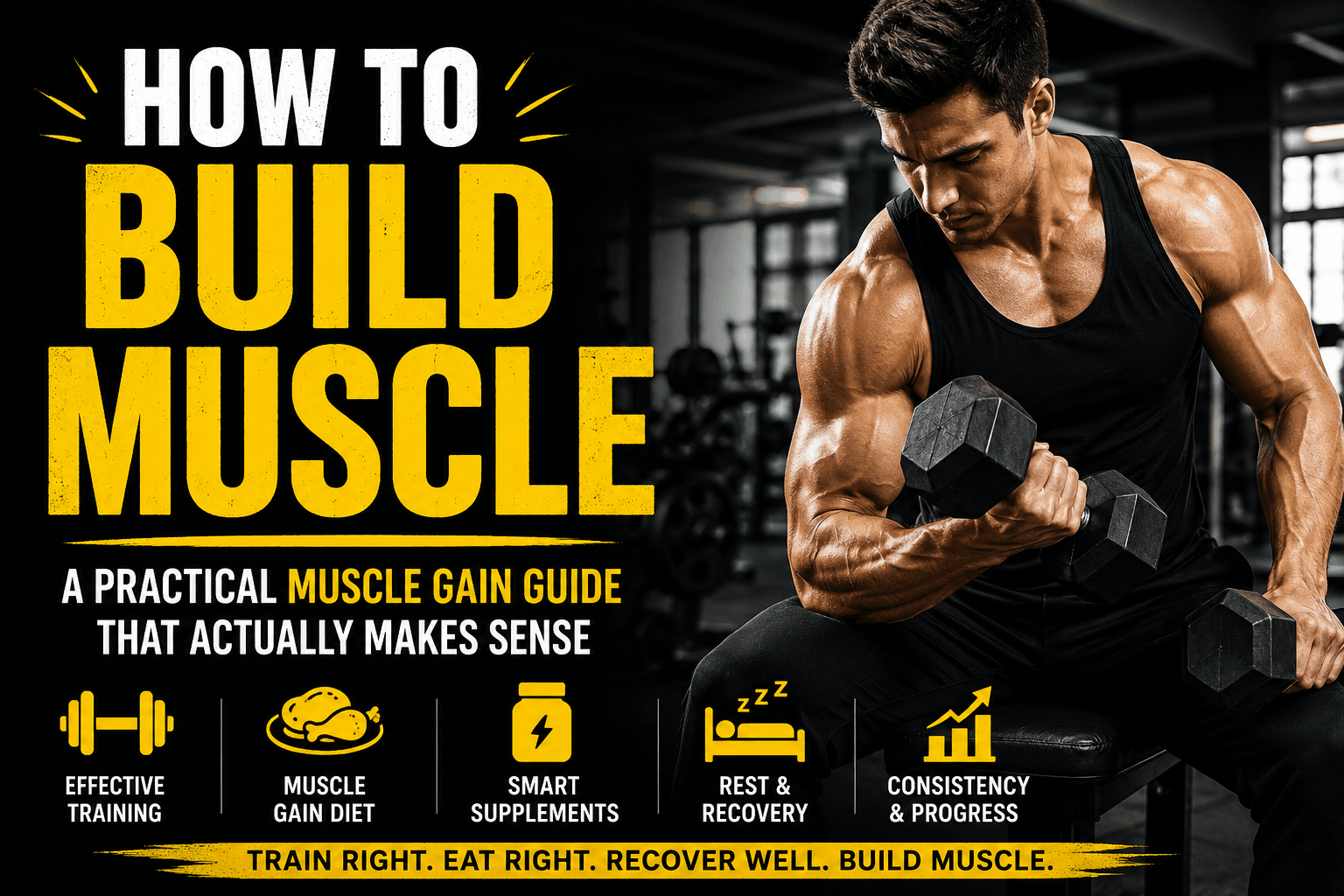
Building muscle sounds straightforward when someone says, “Just lift weights and eat protein.” In reality, most beginners discover very quickly that there is a lot more to it than that.
One person tells you to bulk up. Another says you need supplements. Someone else claims you need to train six days a week. Before long, you’re left wondering what actually works.
The good news is that muscle building doesn’t have to be complicated. Whether your goal is to build muscle fast, gain weight, increase muscle mass, or simply look stronger and healthier, the fundamentals remain the same. You need a smart training plan, enough food to support growth, adequate recovery, and the patience to stay consistent.
The problem is that many people focus on advanced techniques before mastering the basics. They look for shortcuts when the real results come from doing simple things exceptionally well. Learning how to build muscle is less about finding a secret and more about understanding how your body responds to training and nutrition.
In this guide, you’ll learn how to gain muscle effectively, how to gain weight and muscle at the same time, how muscle growth actually works, and what steps you can take to build muscle naturally.
What Does Muscle Building Actually Mean?
Before learning how to build muscle, it helps to understand what is happening inside your body.
Every time you perform resistance training, whether that’s lifting weights, using resistance bands, or performing bodyweight exercises, your muscles experience stress. This stress creates microscopic damage within muscle fibers. While the word “damage” sounds negative, it is actually the trigger that starts the muscle-building process.
After your workout, your body begins repairing those fibers. If you provide enough protein, calories, and recovery time, the repaired muscle becomes slightly stronger and slightly larger than before. Repeat this process consistently and you create long-term muscle growth.
This adaptation process is known as muscle hypertrophy.
Many people assume muscle gain happens during training. In reality, training is only the stimulus. Growth happens afterward when your body recovers.
That is why three people can follow the same workout plan and get different results. One person trains hard and recovers properly. Another trains hard but eats too little. A third person skips sleep and recovery. Even though their workouts look similar, their results are completely different.
To support muscle growth, your body needs consistent resistance training, sufficient calories, adequate protein, proper recovery, and progressive overload. If one of those elements is missing for long enough, progress slows down.
How to Build Muscle Fast — But Realistically
Almost everyone searches for how to build muscle fast at some point. That’s understandable. Nobody starts a fitness journey hoping to wait years before seeing changes.
However, it’s important to separate realistic expectations from marketing promises.
Building muscle fast doesn’t mean gaining ten kilograms of muscle in a month. Natural muscle gain is a gradual process. The body needs time to adapt, recover, and create new muscle tissue.
Most beginners notice strength improvements within the first few weeks of training. Visible muscle gain often starts becoming noticeable within two to three months. Significant body transformations typically require several months of consistent effort.
The encouraging part is that beginners are usually in the best position to gain muscle quickly. Because the body is adapting to resistance training for the first time, progress often happens faster during the early stages.
If your goal is to build muscle fast, focus on improving the fundamentals rather than chasing shortcuts. Train each muscle group regularly, eat enough calories to support growth, consume sufficient protein, and prioritize recovery. Small improvements repeated consistently often outperform aggressive approaches that cannot be maintained.
One common mistake is constantly switching workout programs. Many people try a routine for one week, then move to something else because they saw a new video online. Muscle gain requires repetition. Your body needs time to adapt to a training stimulus before meaningful changes occur.
The basics may seem boring, but they work remarkably well when given enough time.
The Best Way to Build Muscle
There are thousands of workout programs available online, which often makes people believe there must be one perfect plan.
The reality is much simpler.
The best way to build muscle is to follow a program that allows you to train consistently, track progress, and gradually improve over time.
A successful muscle-building plan combines compound exercises, targeted accessory movements, proper recovery, and a muscle gain diet that supports growth.
Compound exercises form the foundation of most effective programs because they train multiple muscle groups simultaneously. Exercises such as squats, deadlifts, bench press, rows, pull-ups, and shoulder press allow you to move more weight and stimulate a larger amount of muscle mass.
At the same time, isolation exercises have their place. While compound lifts build overall strength and size, isolation movements help develop specific muscles that may need additional attention.
Think of compound movements as building the structure of a house. Isolation exercises are the finishing details that complete the project.
The best muscle-building programs don’t rely on extreme workouts or endless exercises. Instead, they focus on getting stronger over time while maintaining good technique and allowing adequate recovery.
Best Exercises to Build Muscle
When it comes to muscle gain, some exercises consistently outperform others because they recruit large amounts of muscle tissue and allow progressive overload over long periods.
Squats
Squats are often called the king of lower-body exercises, and for good reason. They develop the quadriceps, glutes, hamstrings, and core while also improving overall athletic performance.
Many beginners underestimate how much overall muscle mass can be built through consistent squat training. Strong legs often contribute to greater full-body development because of the large amount of muscle involved.
If you’re new to training, focus on learning proper squat mechanics before worrying about lifting heavy.
Deadlifts
Few exercises challenge the body like deadlifts. They target the hamstrings, glutes, lower back, upper back, traps, and core in a single movement.
Deadlifts are particularly effective for building strength because they teach the body to generate force through multiple muscle groups simultaneously.
While deadlifts are highly effective, proper technique matters. Learning the movement correctly from the beginning will help you build muscle safely and efficiently.
Bench Press
The bench press remains one of the most effective upper-body exercises for muscle growth. It primarily targets the chest, shoulders, and triceps while allowing steady strength progression over time.
Whether your goal is muscle gain or improved upper-body strength, the bench press deserves a place in most training programs.
Pull-Ups and Lat Pulldowns
A strong back is essential for balanced muscle development. Pull-ups are one of the best exercises available for building back width and improving upper-body strength.
If you cannot perform a full pull-up yet, don’t worry. Lat pulldowns and assisted pull-ups provide an excellent starting point while you build the necessary strength.
Rows
Rows help develop back thickness and improve posture. They complement vertical pulling movements by targeting the muscles responsible for pulling weight horizontally.
Barbell rows, dumbbell rows, and cable rows are all effective options. Consistent rowing work often makes a noticeable difference in overall upper-body development.
Shoulder Press
The shoulder press is one of the best movements for building stronger and broader shoulders. It also trains the triceps and upper chest while improving overhead strength.
Many people focus heavily on chest training but neglect shoulder development. Balanced shoulder training helps create a more athletic and complete physique.
Lunges
Lunges are often overlooked because they look simple, but they are extremely effective for building leg strength, balance, and stability.
Unlike some machine-based exercises, lunges require coordination and control. This makes them valuable for both muscle growth and athletic performance.
Beginner Gym Workout Plan for Muscle Gain
One of the biggest mistakes beginners make is assuming they need to train every day.
In reality, muscle growth happens when training and recovery are balanced correctly. Training hard is important, but so is allowing the body enough time to adapt.
A simple three-day workout plan is often more than enough for beginners to build muscle and gain strength.
Day 1 – Chest, Shoulders, and Triceps
- Bench Press – 3 sets of 8–10 reps
- Incline Dumbbell Press – 3 sets of 10 reps
- Shoulder Press – 3 sets of 8–10 reps
- Lateral Raises – 3 sets of 12 reps
- Triceps Pushdown – 3 sets of 12 reps
Day 2 – Back and Biceps
- Lat Pulldown – 3 sets of 10 reps
- Seated Row – 3 sets of 10 reps
- Dumbbell Row – 3 sets of 10 reps
- Barbell Curl – 3 sets of 12 reps
- Hammer Curl – 3 sets of 12 reps
Day 3 – Legs and Core
- Squats – 3 sets of 8–10 reps
- Leg Press – 3 sets of 10 reps
- Lunges – 3 sets of 12 reps
- Leg Curl – 3 sets of 12 reps
- Calf Raises – 3 sets of 15 reps
- Plank – 3 rounds
This workout structure provides enough volume to stimulate muscle growth while still allowing adequate recovery. Most beginners would benefit more from following this plan consistently for three months than constantly searching for something more advanced.
Progressive Overload: The Rule You Cannot Ignore
If there is one principle that separates successful muscle-building programs from ineffective ones, it is progressive overload.
Muscles grow because they are forced to adapt. If the training challenge never changes, there is little reason for the body to build additional muscle tissue.
Progressive overload simply means gradually increasing the demands placed on your muscles over time.
This doesn’t always require adding more weight. Sometimes progress comes from performing more repetitions, improving exercise technique, increasing range of motion, or completing the same workout with better control.
For example, if you bench press 40 kg for eight repetitions this week, your next goal might be nine or ten repetitions. Once you can comfortably perform more reps, increasing the weight becomes the next logical step.
Many people reach plateaus because they stop tracking progress. They perform the same exercises with the same weights month after month and wonder why muscle growth has stalled.
The body adapts quickly. Your training must continue giving it a reason to grow.
Muscle Gain Diet: What Should You Eat?
Ask any experienced coach what matters most for muscle gain, and nutrition will always be near the top of the list.
Your workouts create the stimulus for growth, but your diet provides the materials your body uses to build new muscle tissue. Without enough calories and nutrients, even the best training program will struggle to produce results.
One of the biggest reasons people fail to gain muscle is simply because they do not eat enough. They train hard, sweat through intense workouts, and then return to eating the same amount of food they were eating before they started training.
If your goal is muscle gain, your body needs extra energy. This is where a calorie surplus becomes important. A calorie surplus means consuming slightly more calories than your body burns throughout the day.
That doesn’t mean eating everything in sight. Quality still matters. A muscle gain diet should focus on nutrient-dense foods that provide protein, carbohydrates, healthy fats, vitamins, and minerals.
Protein-rich foods such as eggs, chicken, fish, paneer, tofu, Greek yogurt, milk, lentils, and beans provide the amino acids necessary for muscle repair and growth. At the same time, carbohydrates from rice, oats, potatoes, fruits, and whole grains provide the energy needed to fuel hard workouts.
Healthy fats also play a role. Foods like nuts, seeds, peanut butter, and olive oil help support hormone production and make it easier to consume enough calories for muscle growth.
Many beginners become obsessed with supplements while ignoring their daily meals. In reality, your breakfast, lunch, dinner, and snacks will contribute far more to muscle gain than any supplement ever will.
How Much Protein Do You Need for Muscle Gain?
Protein is often the first nutrient people think about when discussing muscle growth, and for good reason. Muscle tissue is built from amino acids, which come from dietary protein.
Research consistently shows that individuals trying to gain muscle benefit from consuming approximately 1.6 to 2.2 grams of protein per kilogram of body weight each day.
For example, a person weighing 70 kilograms may benefit from consuming somewhere between 112 and 154 grams of protein daily.
The exact number is not something you need to obsess over. What’s more important is being consistent. Consuming adequate protein every day is far more effective than eating very high amounts occasionally.
Another common misconception is that protein must be consumed immediately after training or your workout is wasted. While post-workout nutrition can be helpful, total daily protein intake is much more important than precise timing.
A practical approach is to spread protein across several meals throughout the day. This supports recovery, improves satiety, and makes it easier to reach your daily target without feeling overwhelmed.
How to Gain Weight and Muscle
For many people, learning how to gain weight and muscle happens at the same time.
If you are naturally thin, have a fast metabolism, or struggle to eat enough food, gaining weight can feel almost impossible. Some people seem to gain weight by looking at food, while others feel like they can eat endlessly without seeing changes on the scale.
The reality is that weight gain still follows the same principle: your body needs more calories than it burns.
The challenge is often practical rather than theoretical.
Instead of forcing yourself to eat massive meals, focus on gradually increasing calorie intake. Adding calorie-dense foods such as peanut butter, milk, nuts, oats, dried fruits, and healthy oils can significantly increase daily calories without making meals feel enormous.
At the same time, continue resistance training. This is important because you want a large portion of the weight you gain to come from muscle rather than body fat.
A moderate calorie surplus combined with consistent strength training tends to produce the best long-term results. Most people benefit from gaining weight slowly rather than trying to gain several kilograms in a few weeks.
Remember, the goal is not simply weight gain. The goal is muscle gain.
Best Supplements for Muscle Growth
The supplement industry is full of products promising rapid muscle growth, extreme strength gains, and dramatic transformations. Unfortunately, many of those claims are exaggerated.
Supplements can support muscle growth, but they cannot replace a good training program or a solid diet.
Think of supplements as tools. They can help fill gaps, improve convenience, and support performance, but they work best when the fundamentals are already in place.
Whey Protein
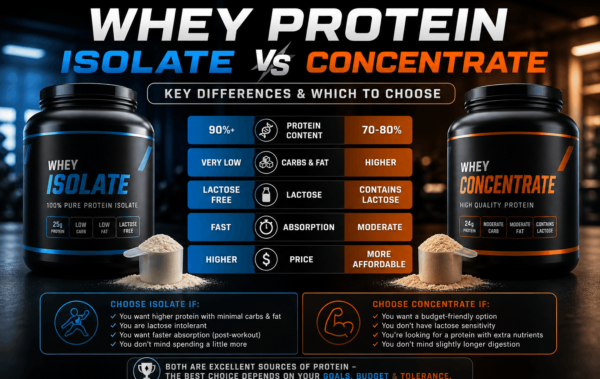
Whey protein remains one of the most popular supplements for muscle gain because it provides a convenient source of high-quality protein.
For people who struggle to meet their daily protein requirements through food alone, whey protein can make a significant difference. It is easy to prepare, quickly digested, and useful after workouts or between meals.
What makes whey protein effective is not that it contains magic ingredients. It simply helps you reach your daily protein target more consistently.
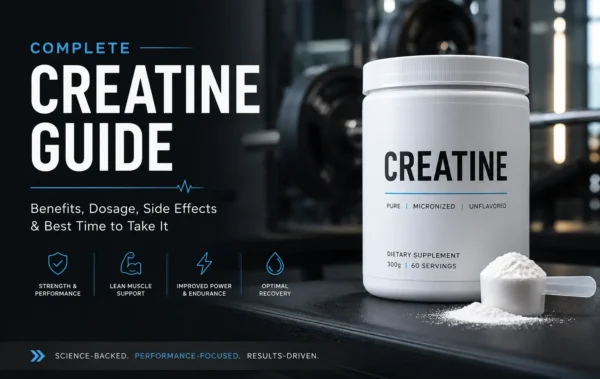
Creatine Monohydrate
Few supplements have been studied as extensively as creatine monohydrate.
Creatine helps increase the body’s ability to produce energy during short, intense activities such as weight training. Over time, this can support greater strength, improved workout performance, and increased muscle gain.
Many lifters notice improved training quality after adding creatine to their routine. The ability to perform slightly more work during training sessions often contributes to better long-term muscle growth.
For most people, a daily dose of 3–5 grams is sufficient.
Mass Gainer
Mass gainers are designed for individuals who struggle to consume enough calories through food alone.
These products typically combine protein, carbohydrates, and calories into a single serving. For naturally skinny individuals or hard gainers, mass gainers can make it easier to maintain a calorie surplus.
However, they should be viewed as a supplement rather than a replacement for whole foods. Most of your calories should still come from nutritious meals.
Pre-Workout
Pre-workout supplements are popular because they can increase energy, focus, and motivation before training.
For individuals who train early in the morning or after long workdays, pre-workout formulas can provide a noticeable boost in training intensity.
While helpful, they are not essential. Many people achieve excellent muscle gain results without using pre-workout products.
BCAA or EAA
BCAA and EAA supplements are often marketed toward muscle growth and recovery.
For individuals already consuming sufficient protein, the benefits may be limited. However, some athletes use them during long training sessions or while dieting.
For most beginners, focusing on total daily protein intake is usually more important than adding amino acid supplements.
Whey Protein vs Mass Gainer
One of the most common questions among beginners is whether they should choose whey protein or a mass gainer.
The answer depends entirely on your goal.
Whey protein is primarily designed to help increase protein intake. It is generally lower in calories and ideal for individuals who already consume enough food but need additional protein support.
Mass gainer, on the other hand, is designed to increase calorie intake. It combines protein with large amounts of carbohydrates and calories, making it useful for people who struggle to gain weight.
If your primary challenge is meeting protein requirements, whey protein is usually the better option.
If your primary challenge is consuming enough calories to gain weight and muscle, a mass gainer may be more helpful.
Neither product is inherently better. The best choice depends on what your body currently needs.
How to Bulk Up Without Getting Too Fat
Bulking has developed a bad reputation because many people misunderstand what it means.
A proper bulk does not involve eating unlimited junk food. It does not require gaining excessive body fat. Instead, a successful bulk focuses on providing enough calories to support muscle growth while keeping fat gain under control.
The smartest approach is often a moderate calorie surplus. This allows the body to build muscle without accumulating unnecessary fat.
Protein should remain a priority throughout the bulking phase, and training intensity should stay high. Progressive overload becomes especially important because the extra calories need a reason to be directed toward muscle growth.
Patience is important here. Trying to gain weight too quickly usually leads to more fat gain than muscle gain.
Slow, steady progress almost always produces better long-term results.
How to Gain Muscle at Home
Many people assume a gym membership is required for muscle growth. While a gym provides more equipment and exercise options, it is absolutely possible to gain muscle at home.
What matters most is resistance.
Bodyweight exercises such as push-ups, squats, lunges, dips, and pull-ups can provide an effective stimulus for muscle growth, especially for beginners. Adding resistance bands or adjustable dumbbells can expand your exercise selection even further.
The key principle remains the same: progressive overload.
Whether you’re training in a commercial gym or your living room, your muscles must be challenged over time. More repetitions, greater resistance, improved control, or harder exercise variations can all contribute to muscle growth.
Many successful transformations have been achieved without expensive equipment. Consistency matters more than location.